Respiratory Infection Prevention: A Practical Household Plan
Use a layered approach to reduce the spread of respiratory infections at home, at work and around people at higher risk.
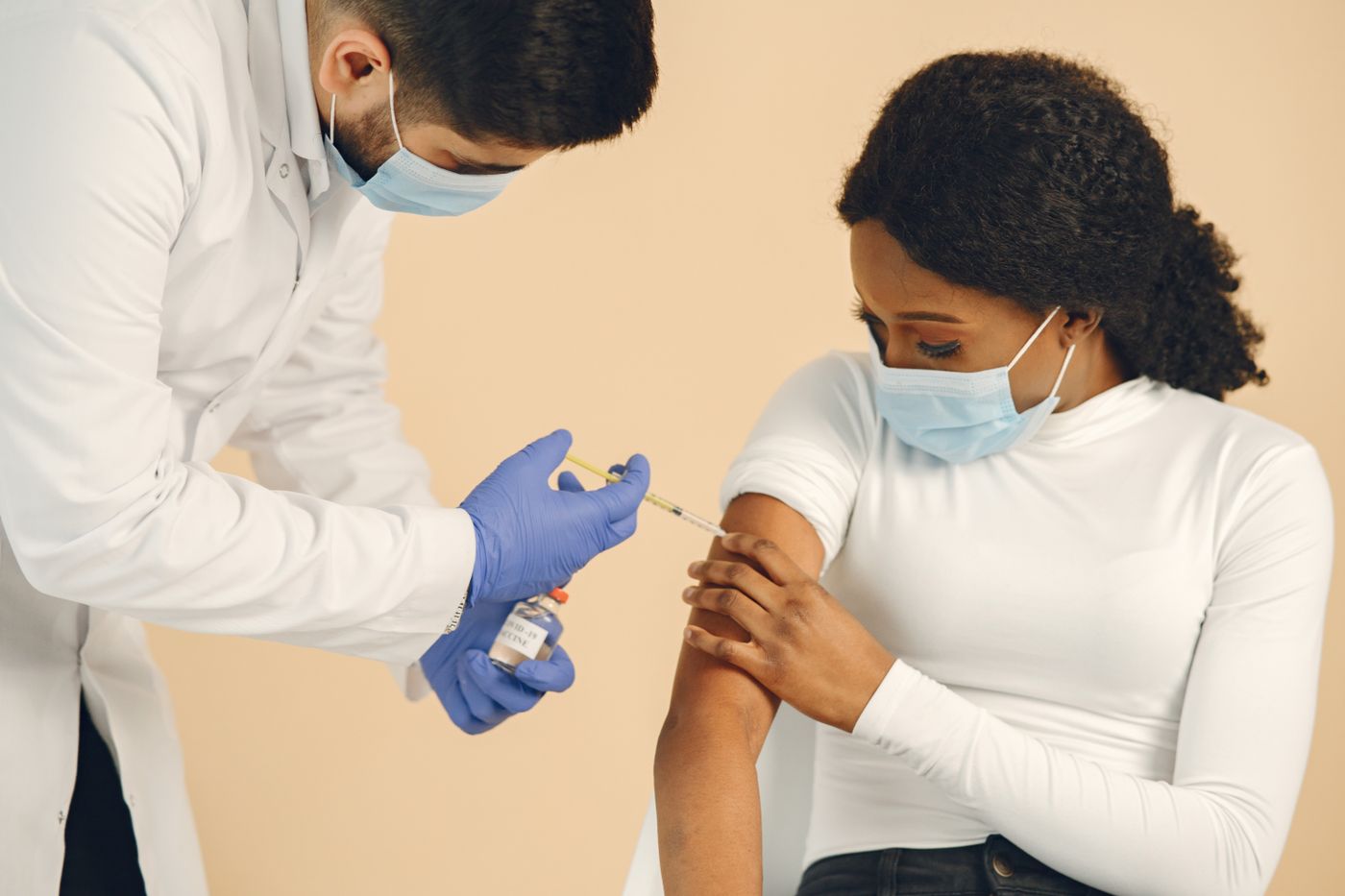
A cough or sore throat can interrupt an entire household. Prevention is easier when the basics are already in place, rather than being organised after someone becomes unwell. No single measure prevents every infection, but a combination of everyday precautions can reduce risk.
Use several layers of protection
Vaccination, cleaner indoor air, good hygiene and staying away from others when ill are core prevention measures. Masks and distance can add protection, particularly when illness is spreading or someone nearby is at higher risk. Check local public-health recommendations and ask which vaccinations are appropriate for your age and health.
Think about the places where your household spends time. Which rooms are shared? Can ventilation be improved safely? Who would need extra protection if someone became sick? Asking these questions in advance makes it easier to put a plan into action without blaming the person who becomes ill.

Make hygiene easy to practise
Wash hands with soap and water, especially after coughing, sneezing or blowing your nose and before eating. If soap and water are unavailable, use a hand sanitiser containing at least 60% alcohol. Cover coughs and sneezes with a tissue or your elbow, dispose of tissues, and clean frequently touched surfaces.
Keep soap, tissues and a waste bin in places where people can reach them. Plan who will replace supplies when they run low. In a shared home, a brief, friendly reminder is usually more useful than assuming everyone has the same routine. Keep cleaning products out of children's reach and follow their labels.
Have a plan for a sick day
Decide how work, school, meals and caregiving could be covered if someone needs to stay home. Keep the telephone number of your usual healthcare provider where it is easy to find. Follow current local advice about returning to activities; workplaces and healthcare settings may have additional rules.
Know when to ask for treatment advice
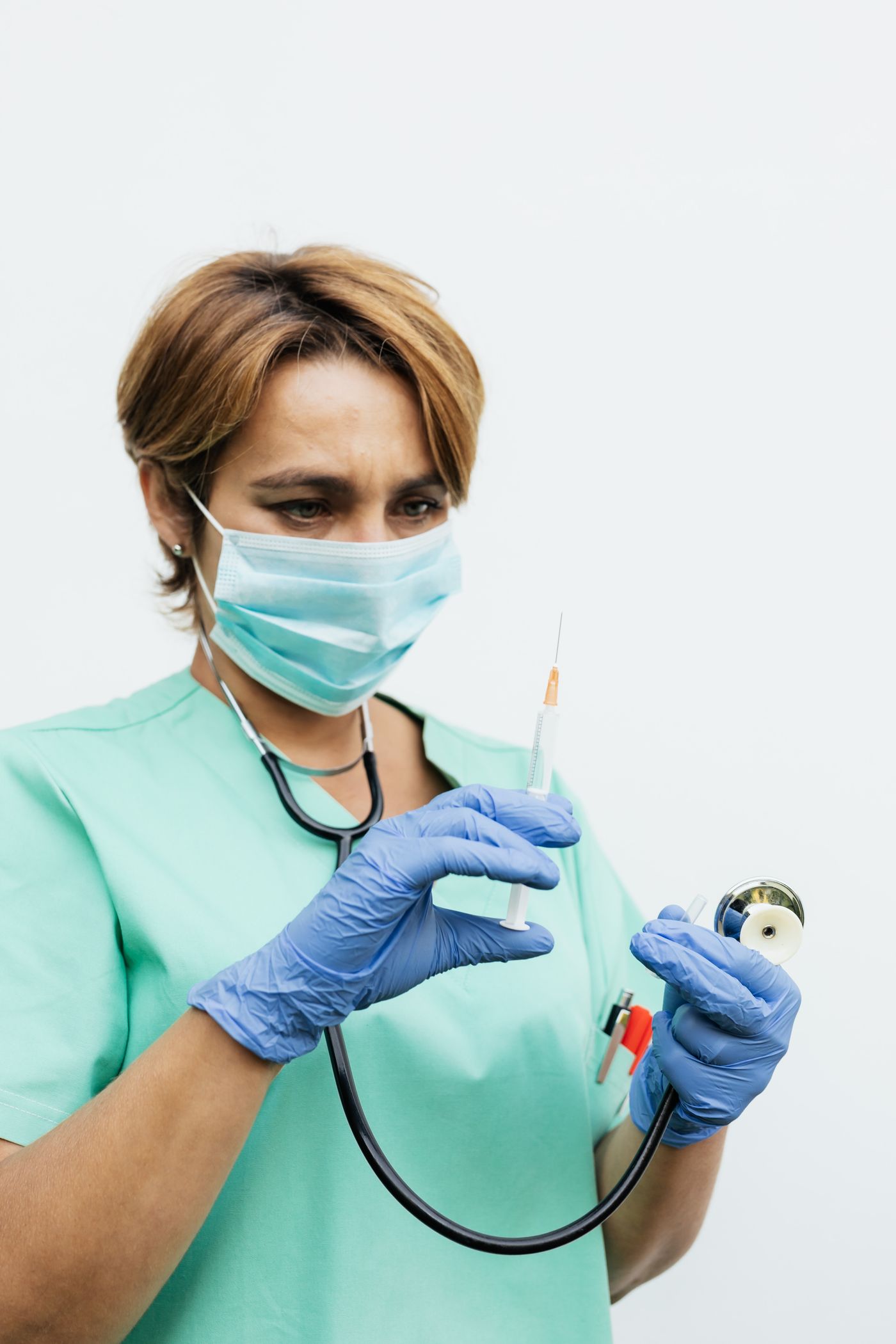
People at higher risk of severe illness should contact a healthcare professional promptly when symptoms begin because some treatments are time-sensitive. Do not assume that a mild first day means advice can always wait. Tell the clinician when symptoms started and which conditions and medicines may affect your care.
Keep a useful symptom note
Write down the start date, the main symptoms and any changes that prompted concern. Have your medication list available when calling. This is a communication aid, not a substitute for an examination. For severe breathing difficulty, chest pain, new confusion or another emergency, call 911.
Review your household plan when schedules change. The best preparation is one that everyone can understand and realistically follow.
Further reading
General health education, not a diagnosis or an individual treatment plan.


Comments
0 comments
Be the first to comment.
Leave a comment