High Blood Pressure: Why Knowing Your Numbers Matters
High blood pressure can go unnoticed. Learn why checks matter, how everyday habits can help, and what to discuss at your next appointment.

Feeling well does not always tell you everything about your health. Blood pressure is one example: it can remain high without obvious symptoms. Making a blood pressure check part of your healthcare routine gives you useful information before a problem becomes noticeable.
Understand the two numbers
The first number describes pressure when the heart beats; the second describes pressure between beats. Persistently high readings can damage the heart, brain and kidneys. Diagnosis and treatment decisions depend on properly taken measurements and your overall health, rather than one isolated result. Ask your clinician what range is appropriate for you.
Turn a result into a conversation
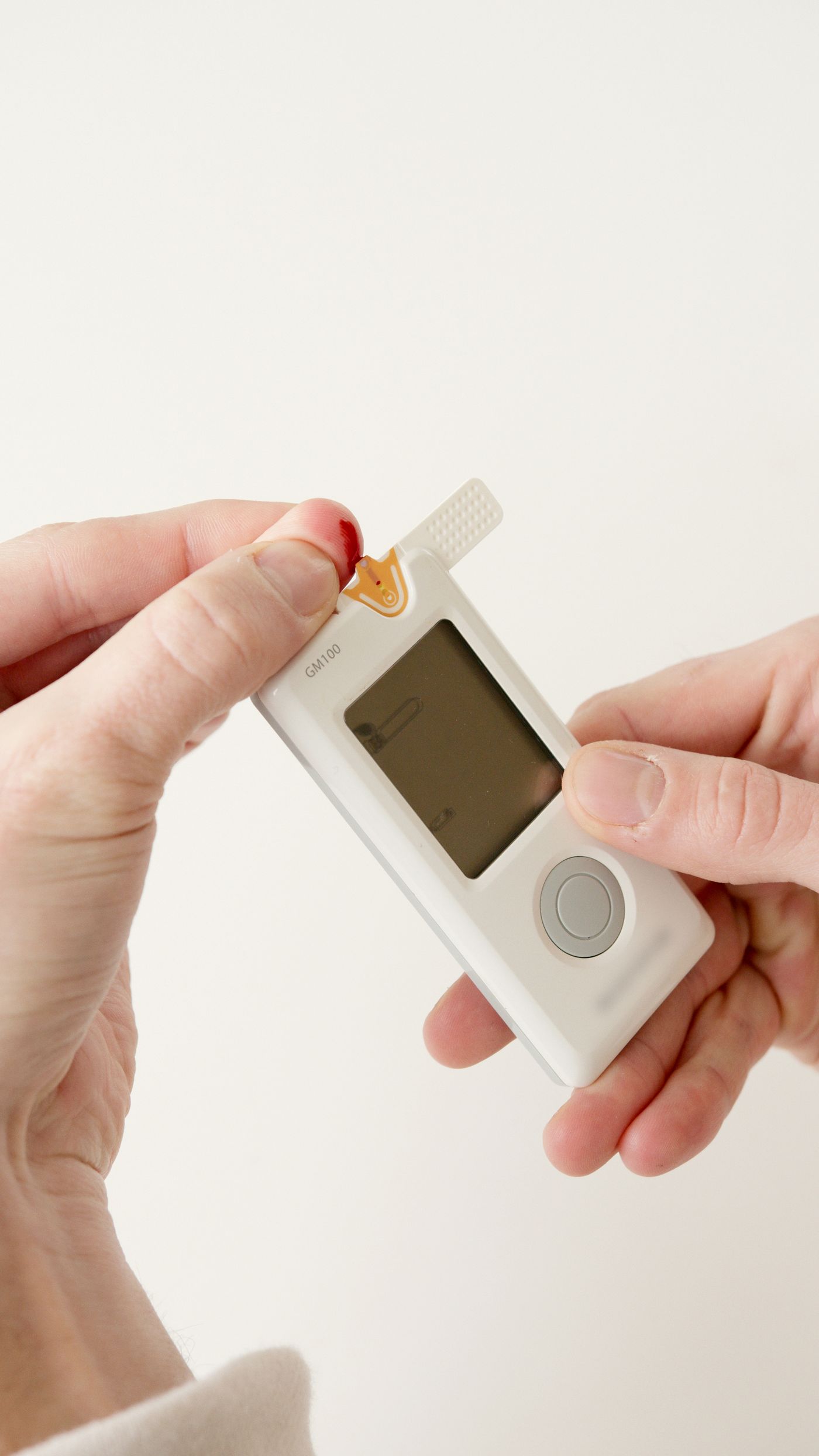
Bring any readings you have recorded, together with a list of medicines and supplements. Ask whether you need a home monitor and request a demonstration of how to use it. Write down when to measure, how often, and whom to contact about unusual results. This gives your monitoring a clear purpose instead of leaving you to interpret every number alone.

Build habits you can repeat
Less salt, regular physical activity, avoiding tobacco and limiting alcohol can support blood pressure control. Lifestyle changes and prescribed medicines often work together. Do not stop medication because you feel better or because a reading improves; talk with your prescriber about side effects or concerns.
Make your first change specific. For example, compare the sodium information on two foods you regularly buy, or set aside a convenient time for an activity you enjoy. Keep the plan small enough to fit a busy day. You can build on it after finding out what works in your household.

Prepare for your next visit
- When was my blood pressure last checked?
- Should I record readings at home?
- What is my personal target?
- Could any of my medicines affect my readings?
- When should I return for a review?
If cost, transport, work or remembering tablets makes your care plan difficult, say so. A useful appointment is one where practical barriers are discussed as openly as the numbers. Keep the agreed next step somewhere easy to find, such as alongside your appointment details.
Know when help cannot wait
Chest pain, severe breathing difficulty, sudden weakness or trouble speaking need emergency assessment. Call 911 rather than waiting for a routine appointment. Very high blood pressure with concerning symptoms also requires urgent care.
For a routine discussion, use our appointment request form and bring your questions with you.
Further reading
General health education, not a diagnosis or an individual treatment plan.


Comments
0 comments
Be the first to comment.
Leave a comment